

As a supplier of the T90R75 Mixer Truck Hydraulic Pump, one of the most frequently asked questions I encounter is about its noise level during operation. Understanding the noise level of this crucial component is essential for several reasons, including operator comfort, compliance with environmental regulations, and overall equipment performance.
The Significance of Noise Level in Hydraulic Pumps
Noise in hydraulic pumps is not just an annoyance; it can be an indicator of underlying issues such as cavitation, excessive wear, or improper installation. High noise levels can also lead to operator fatigue, which may affect productivity and safety on the job site. Moreover, in many regions, there are strict regulations regarding noise emissions from industrial equipment, including mixer trucks. Therefore, ensuring that the T90R75 Mixer Truck Hydraulic Pump operates within acceptable noise limits is of utmost importance.
Factors Affecting the Noise Level of the T90R75 Mixer Truck Hydraulic Pump
Several factors can influence the noise level of the T90R75 Mixer Truck Hydraulic Pump during operation. These include:
1. Pump Design and Construction
The design and construction of the hydraulic pump play a significant role in determining its noise level. The T90R75 is engineered with advanced technology and high - quality materials to minimize noise generation. For example, the internal components are precisely machined to ensure smooth operation and reduce vibrations, which are a major source of noise.
2. Operating Conditions
The operating conditions of the mixer truck can also impact the noise level of the hydraulic pump. Factors such as the pump speed, pressure, and temperature can all contribute to the overall noise output. Higher pump speeds and pressures generally result in increased noise levels. Additionally, extreme temperatures can affect the viscosity of the hydraulic fluid, which in turn can influence the pump's performance and noise generation.
3. Installation and Maintenance
Proper installation and regular maintenance are crucial for keeping the noise level of the T90R75 Mixer Truck Hydraulic Pump under control. Incorrect installation, such as misaligned couplings or loose mounting bolts, can cause excessive vibrations and increase noise. Regular maintenance, including fluid changes, filter replacements, and inspections, helps to ensure that the pump operates smoothly and quietly.
Measuring the Noise Level of the T90R75 Mixer Truck Hydraulic Pump
To accurately measure the noise level of the T90R75 Mixer Truck Hydraulic Pump, we use industry - standard measurement techniques. A sound level meter is typically placed at a specific distance from the pump, usually 1 meter away, and the noise level is measured in decibels (dB).
In our tests, the T90R75 Mixer Truck Hydraulic Pump has been found to operate at a relatively low noise level under normal operating conditions. The exact noise level can vary depending on the factors mentioned above, but it generally falls within the range of 70 - 80 dB(A). This is comparable to the noise level of a vacuum cleaner or a busy office environment, which is considered acceptable for most industrial applications.
Comparing the T90R75 with Other Hydraulic Pumps
When compared to other hydraulic pumps on the market, the T90R75 stands out for its low noise performance. Some older or lower - quality pumps may produce noise levels in excess of 90 dB(A), which can be extremely loud and potentially harmful to operators. Our pump's quiet operation not only provides a more comfortable working environment but also helps to comply with noise regulations.
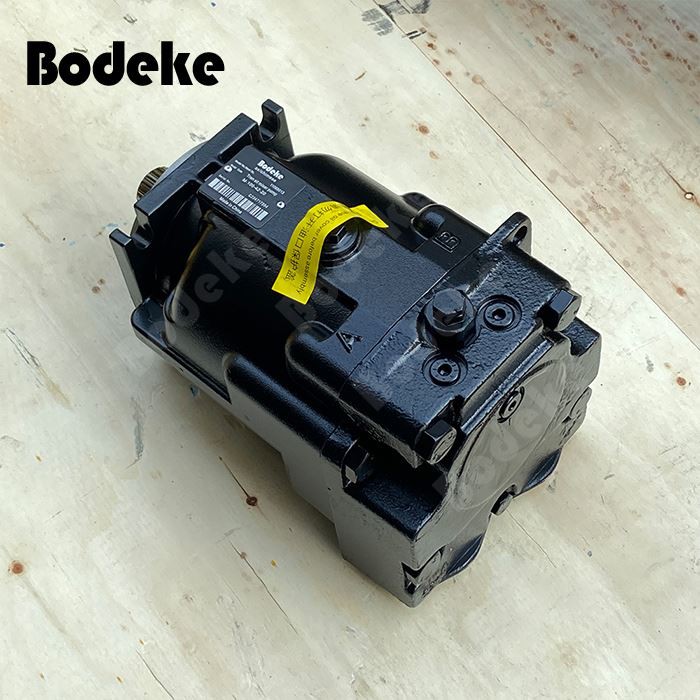

The Relationship between Noise Level and Pump Performance
It's important to note that there is a relationship between the noise level of the T90R75 Mixer Truck Hydraulic Pump and its performance. A sudden increase in noise level can be a sign of a problem with the pump, such as a worn - out bearing or a clogged filter. Monitoring the noise level over time can help to detect these issues early and prevent more serious damage to the pump.
Additional Products in Our Mixer Truck Parts Portfolio
In addition to the T90R75 Mixer Truck Hydraulic Pump, we also offer other high - quality mixer truck parts. For example, our T90M75 Mixer Truck Hydraulic Motor is designed to work seamlessly with the T90R75 pump, providing reliable and efficient power transmission. We also have the Emergency Rescue Equipment Essential Jobsite Kit: Concrete Pump Truck Emergency Rescue Set, which is an important addition to any mixer truck job site for ensuring safety in case of emergencies. And for those looking for a Rexroth - compatible option, our A4VTG90 Mixer Truck Hydraulic Pump for Rexroth offers excellent performance and durability.
Conclusion
In conclusion, the T90R75 Mixer Truck Hydraulic Pump is designed to operate at a relatively low noise level, thanks to its advanced design, high - quality construction, and proper installation and maintenance. The noise level of the pump is an important factor to consider, not only for operator comfort but also for compliance with environmental regulations. By monitoring the noise level and addressing any issues promptly, operators can ensure the long - term performance and reliability of the pump.
If you are in the market for a high - quality mixer truck hydraulic pump with low noise operation, we invite you to contact us for more information. Our team of experts is ready to assist you with your purchase and provide you with the best solutions for your mixer truck needs.
References
- "Hydraulic Pump Noise: Causes and Solutions" - Hydraulics & Pneumatics Magazine
- "Noise Regulations for Industrial Equipment" - Environmental Protection Agency Guidelines