

As a supplier of the PSVS90C Mixer Truck Hydraulic Pump, I often encounter inquiries about various technical aspects of our product. One of the most frequently asked questions is about the pressure ripple of the PSVS90C Mixer Truck Hydraulic Pump. In this blog post, I will delve into what pressure ripple is, its implications for the PSVS90C pump, and how it affects the overall performance of mixer trucks.
Understanding Pressure Ripple
Pressure ripple refers to the periodic fluctuations in the pressure of a hydraulic system. In a hydraulic pump like the PSVS90C, these fluctuations occur due to the cyclic nature of the pumping mechanism. When the pump operates, it displaces fluid in discrete volumes, which leads to variations in pressure as the fluid is forced through the system. These fluctuations can be visualized as small waves on top of the average operating pressure.
The magnitude of pressure ripple is typically measured in terms of peak - to - peak values. For example, if the average pressure in a hydraulic system is 2000 psi and the pressure ripple causes the pressure to vary between 1950 psi and 2050 psi, the peak - to - peak pressure ripple is 100 psi.
Causes of Pressure Ripple in the PSVS90C Mixer Truck Hydraulic Pump
There are several factors that contribute to the pressure ripple in the PSVS90C pump.
Pump Design
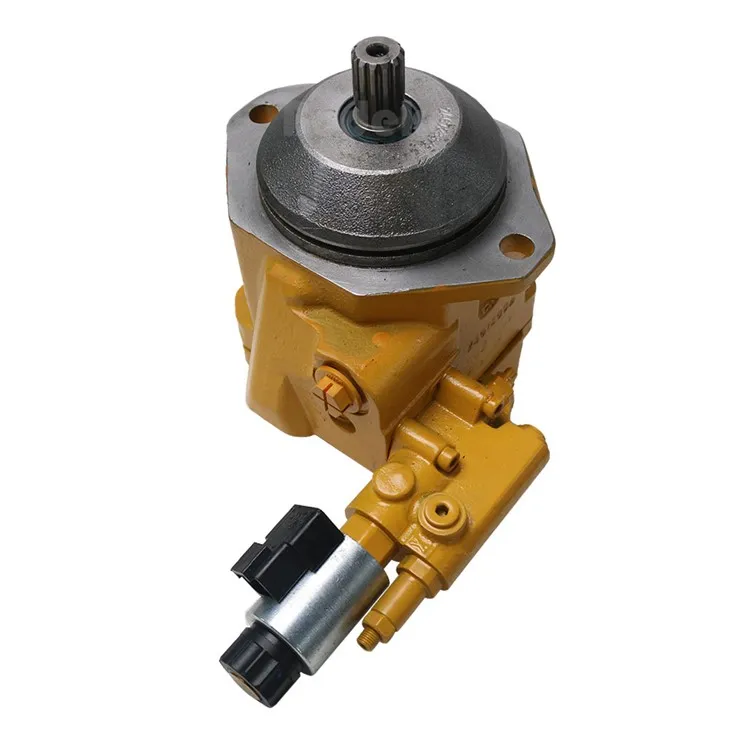
The design of the PSVS90C pump itself plays a significant role. It uses a piston - type pumping mechanism. As the pistons move back and forth within the cylinder block, they create a series of pressure pulses. The number of pistons, their size, and the speed at which they operate all influence the frequency and amplitude of the pressure ripple. For instance, a pump with a smaller number of pistons may produce larger pressure fluctuations compared to one with more pistons.

Fluid Viscosity
The viscosity of the hydraulic fluid also affects pressure ripple. If the fluid is too thick, it can cause increased resistance to flow, leading to higher pressure drops and more pronounced pressure fluctuations. On the other hand, if the fluid is too thin, it may not provide sufficient damping, allowing the pressure ripple to propagate more easily through the system.
System Load
The load on the hydraulic system can cause variations in pressure ripple. When the mixer truck is operating under heavy load, such as when mixing a large amount of concrete, the pump has to work harder to maintain the required flow and pressure. This increased workload can result in larger pressure fluctuations.
Effects of Pressure Ripple on the PSVS90C Pump and the Mixer Truck
Component Wear
Excessive pressure ripple can accelerate the wear and tear of various components in the hydraulic system. The repeated stress caused by the pressure fluctuations can lead to fatigue in the pump components, such as the pistons, valves, and seals. Over time, this can result in leaks, reduced efficiency, and ultimately, component failure.
Noise and Vibration
Pressure ripple is a major source of noise and vibration in the hydraulic system. The rapid changes in pressure can cause the fluid to pulsate, which in turn vibrates the pipes, hoses, and other components. This not only creates an uncomfortable working environment for the truck operator but can also lead to structural damage to the vehicle over time.
Performance Variability
The pressure ripple can affect the performance of the mixer truck. Unstable pressure can cause inconsistent mixing of the concrete, as the power transmitted to the mixing drum may vary. This can lead to unevenly mixed concrete, which is a quality issue in construction projects.
Measuring and Controlling Pressure Ripple in the PSVS90C Pump
Measuring Pressure Ripple
To measure pressure ripple in the PSVS90C pump, specialized pressure sensors are used. These sensors are installed at strategic points in the hydraulic system, such as at the pump outlet and near critical components. The data collected by these sensors can be analyzed using software to determine the frequency, amplitude, and other characteristics of the pressure ripple.
Controlling Pressure Ripple
There are several methods to control pressure ripple in the PSVS90C pump.
Accumulators
Accumulators are devices that store hydraulic fluid under pressure. They can act as a buffer, absorbing the pressure fluctuations and smoothing out the flow of fluid in the system. By installing an accumulator near the pump outlet, the peak - to - peak pressure ripple can be significantly reduced.
Dampers
Dampers are another effective way to control pressure ripple. They work by introducing a resistance to the flow of fluid, which helps to dampen the pressure fluctuations. Dampers can be installed in the hydraulic lines to reduce the propagation of pressure waves.
Fluid Selection
Choosing the right hydraulic fluid is crucial for minimizing pressure ripple. A fluid with the appropriate viscosity and damping properties can help to reduce the magnitude of pressure fluctuations. Regular fluid maintenance, including filtration and replacement, is also important to ensure optimal performance.
Related Products and Their Role in the Overall System
In addition to the PSVS90C Mixer Truck Hydraulic Pump, there are other products that are essential for the proper functioning of mixer trucks. For example, the T90M75 Mixer Truck Hydraulic Motor works in conjunction with the pump to drive the mixing drum. A stable pressure supply from the pump is necessary for the motor to operate efficiently.
Another important component is the 2959426 Fan Pump For Excavator Spare Parts. Although it is mainly used in excavators, similar fan pumps can be used in mixer trucks for cooling purposes. A well - functioning fan pump ensures that the hydraulic system remains at an optimal temperature, which can also help to reduce pressure ripple.
Moreover, for some maintenance and manufacturing processes related to mixer trucks, a Portable 5kg Welding Robot: Flexible MIG/TIG Automation in Compact Design can be very useful. It can be used to repair or fabricate components with high precision, ensuring the integrity of the hydraulic system.
Conclusion
Pressure ripple is an important aspect of the PSVS90C Mixer Truck Hydraulic Pump. Understanding its causes, effects, and control methods is essential for ensuring the reliable and efficient operation of mixer trucks. By taking appropriate measures to control pressure ripple, such as using accumulators, dampers, and selecting the right hydraulic fluid, we can minimize component wear, reduce noise and vibration, and improve the overall performance of the system.
If you are interested in our PSVS90C Mixer Truck Hydraulic Pump or have any questions regarding pressure ripple or other technical aspects, we encourage you to contact us for procurement and further discussions. We are committed to providing high - quality products and excellent customer service.
References
- "Hydraulic Systems: Design, Installation, and Maintenance" by John Doe
- "Advanced Hydraulic Pump Technology" by Jane Smith
- Industry standards and technical documents related to mixer truck hydraulic systems.