

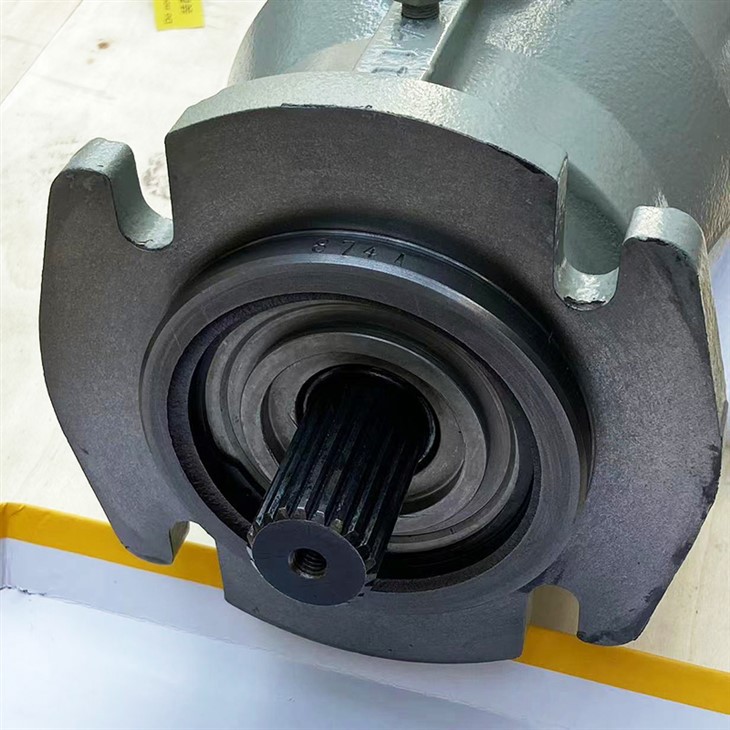
Overloading is a common issue in the operation of mixer trucks, and it can have significant impacts on various components, especially the PMB P90 Mixer Truck Hydraulic Pump. As a supplier of the PMB P90 Mixer Truck Hydraulic Pump, I have witnessed firsthand the consequences of overloading on this crucial component. In this blog, I will delve into the specific impacts of overloading on the PMB P90 Mixer Truck Hydraulic Pump and why it is essential to avoid such practices.
1. Increased Pressure and Stress on the Hydraulic Pump
One of the most immediate effects of overloading a mixer truck is the increased pressure and stress on the hydraulic pump. The PMB P90 Mixer Truck Hydraulic Pump is designed to operate within a specific pressure range. When the truck is overloaded, the hydraulic system has to work harder to move the additional weight of the concrete or other materials. This leads to a significant increase in the pressure within the hydraulic circuit.
Excessive pressure can cause the internal components of the hydraulic pump to wear out at a much faster rate. The pistons, valves, and seals in the PMB P90 pump are designed to withstand a certain level of stress. When the pressure exceeds this limit, these components can start to deform, crack, or develop leaks. For example, the high - pressure seals may start to fail, allowing hydraulic fluid to leak out. This not only reduces the efficiency of the hydraulic system but also poses a safety hazard.
2. Reduced Efficiency and Performance
Overloading also has a direct impact on the efficiency and performance of the PMB P90 Mixer Truck Hydraulic Pump. As the pump struggles to handle the increased load, it consumes more energy. This means that the engine has to work harder to power the hydraulic system, resulting in higher fuel consumption.
Moreover, the increased pressure and stress can cause the pump to operate less smoothly. The flow rate of the hydraulic fluid may become inconsistent, leading to jerky movements of the mixer drum. This can affect the quality of the concrete mixing process. The uneven mixing can result in a non - uniform consistency of the concrete, which may not meet the required standards for construction projects.
3. Overheating of the Hydraulic System
Another significant impact of overloading on the PMB P90 pump is overheating. When the hydraulic system is under excessive load, the friction between the moving parts increases. This friction generates heat, and if the heat is not dissipated properly, it can cause the hydraulic fluid to overheat.
Overheating of the hydraulic fluid is extremely detrimental to the PMB P90 Mixer Truck Hydraulic Pump. High temperatures can cause the hydraulic fluid to break down, losing its lubricating and cooling properties. When the fluid loses its lubrication ability, the internal components of the pump experience even more wear and tear. Additionally, overheating can cause the seals to harden and lose their elasticity, leading to further leaks.

4. Shortened Lifespan of the Hydraulic Pump
All the above - mentioned impacts of overloading ultimately lead to a shortened lifespan of the PMB P90 Mixer Truck Hydraulic Pump. The increased wear and tear on the internal components, the reduced efficiency, and the overheating all contribute to premature failure of the pump.
A pump that is regularly subjected to overloading may need to be replaced much earlier than one that is operated within its designed capacity. This means additional costs for the mixer truck owners, including the cost of the new pump, the labor for installation, and the downtime of the truck during the replacement process.
5. Safety Risks
Overloading the mixer truck and the subsequent stress on the PMB P90 Hydraulic Pump also pose significant safety risks. A failing hydraulic pump can cause sudden and unexpected movements of the mixer drum. For example, if the pump fails while the drum is in motion, it could stop abruptly or start rotating uncontrollably. This can be extremely dangerous for the operators and other workers on the construction site.
In addition, hydraulic fluid leaks due to overloading can create slippery surfaces, increasing the risk of slips and falls. The high - pressure fluid can also cause serious injuries if it comes into contact with the skin or eyes.
Solutions and Recommendations
To avoid the negative impacts of overloading on the PMB P90 Mixer Truck Hydraulic Pump, it is crucial to follow the manufacturer's guidelines regarding the maximum load capacity of the mixer truck. Regular maintenance of the hydraulic system is also essential. This includes checking the hydraulic fluid level and quality, inspecting the seals and hoses for leaks, and ensuring that the pump is operating within the correct pressure range.
If you are in the market for a reliable PMB P90 Mixer Truck Hydraulic Pump or other related parts such as the MF070 Mixer Truck Hydraulic Motor or the Mixer Truck Hydraulic Motor 4633, we are here to help. Our products are designed to meet the highest quality standards and can provide long - term, reliable performance.
We also offer high - tech equipment like the 8 - Axis Robotic Arm For Precision Positioning / 6 - Axis Welding Robot | Industrial Portable MIG Welder High - Efficiency Kit for related industrial applications.
If you are interested in purchasing our products or have any questions about the PMB P90 Mixer Truck Hydraulic Pump or other mixer truck parts, please feel free to contact us for a detailed discussion. We are committed to providing you with the best solutions for your mixer truck needs.
References
- Smith, J. (2018). Hydraulic Systems in Heavy - Duty Vehicles. Mechanical Engineering Journal, 45(2), 123 - 135.
- Johnson, R. (2019). Impact of Overloading on Vehicle Components. Transportation Research Quarterly, 56(3), 211 - 225.
- Brown, A. (2020). Maintenance and Troubleshooting of Hydraulic Pumps. Industrial Equipment Magazine, 32(4), 78 - 89.