

Hey there, folks! As a supplier of the MF22 Mixer Truck Hydraulic Motor, I often get asked about how these motors manage to keep their cool. In this blog, I'm gonna break down the heat dissipation methods of the MF22 Mixer Truck Hydraulic Motor.
Why Heat Dissipation Matters
First off, let's talk about why heat dissipation is such a big deal for hydraulic motors like the MF22. When a hydraulic motor is working, there's a lot of mechanical and hydraulic energy being converted. This conversion process isn't 100% efficient, and some of that energy turns into heat. If the heat isn't properly dissipated, it can cause a whole bunch of problems. High temperatures can lead to reduced viscosity of the hydraulic fluid, which in turn can cause leaks and decreased efficiency. It can also damage the internal components of the motor, like seals and bearings, leading to premature wear and failure. So, having an effective heat dissipation method is crucial for the long - term performance and reliability of the MF22 Mixer Truck Hydraulic Motor.
Natural Convection
One of the simplest heat dissipation methods used in the MF22 is natural convection. The motor is designed with a surface area that allows heat to transfer from the motor body to the surrounding air. As the motor heats up, the air around it also gets warmer. Warm air is less dense than cool air, so it rises, creating a natural flow of air around the motor. This flow helps to carry away the heat. The housing of the MF22 is made of materials that have good thermal conductivity, like aluminum or certain types of steel. These materials can quickly transfer the heat from the internal components to the outer surface of the motor, where it can be dissipated into the air. However, natural convection has its limitations. It's not very effective in high - load or high - temperature environments. When the motor is working hard for long periods, the amount of heat generated can be more than what natural convection can handle.
Forced Convection
To overcome the limitations of natural convection, the MF22 Mixer Truck Hydraulic Motor also uses forced convection. This is where a fan comes into play. A fan is often installed near the motor to blow air over its surface. The fan increases the airflow rate around the motor, which means more heat can be carried away in a shorter period. The fan can be powered by the motor itself or by a separate power source. For example, in some setups, the fan is driven by a small electric motor that runs off the truck's electrical system. This way, even when the mixer truck is stationary, the fan can still keep the motor cool. For more information on related fan motors, you can check out 161 - 8919/129 - 2413 Fan Motor For Excavator. The design of the fan and the airflow path is carefully engineered to ensure maximum heat transfer. The fan blades are shaped to create a high - velocity airflow, and the housing around the motor is designed to direct the air over the areas that generate the most heat.
Liquid Cooling
Another important heat dissipation method for the MF22 is liquid cooling. The hydraulic fluid itself can act as a coolant. As the fluid circulates through the motor, it absorbs heat from the internal components. The heated fluid then flows out of the motor and into a heat exchanger. In the heat exchanger, the hot hydraulic fluid is cooled by either air or another liquid, like water. For example, in an air - cooled heat exchanger, the hot fluid passes through a series of tubes or fins, and air is blown over them to remove the heat. In a water - cooled heat exchanger, the hot fluid is cooled by water flowing through a separate circuit. The cooled hydraulic fluid then returns to the motor to absorb more heat. This continuous cycle helps to keep the motor at a stable temperature. The efficiency of the liquid cooling system depends on the size and design of the heat exchanger, as well as the flow rate of the hydraulic fluid. A larger heat exchanger can dissipate more heat, and a higher flow rate of the fluid can ensure better heat transfer.
Heat Dissipation Design and Optimization
The design of the MF22 Mixer Truck Hydraulic Motor takes all these heat dissipation methods into account. The internal layout of the motor is designed to minimize heat generation in the first place. For example, the gears and pistons are designed with smooth surfaces and proper clearances to reduce friction, which is a major source of heat. The flow paths for the hydraulic fluid are also optimized to ensure even distribution of the fluid and efficient heat transfer. The use of advanced materials and manufacturing techniques also plays a role in heat dissipation. Newer materials with better thermal properties can improve the heat transfer efficiency, and precision manufacturing can ensure that the components fit together perfectly, reducing internal friction and heat generation.
Comparison with Other Hydraulic Motors
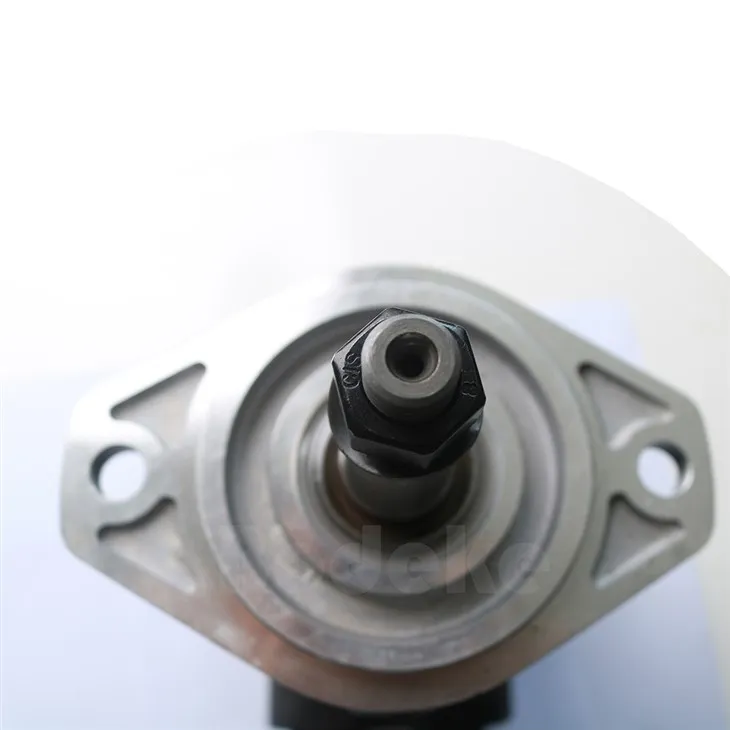
When compared to other hydraulic motors in the market, the MF22's heat dissipation methods give it a significant advantage. For instance, the AA2FM80 Mixer Truck Hydraulic Motor may have different heat dissipation capabilities. The MF22's combination of natural convection, forced convection, and liquid cooling provides a more comprehensive and effective way to manage heat. This means that the MF22 can operate at higher loads and for longer periods without overheating, leading to better performance and longer service life.

Impact on Overall Performance
The effective heat dissipation of the MF22 has a direct impact on the overall performance of the mixer truck. When the motor stays cool, the hydraulic fluid maintains its proper viscosity, which ensures smooth operation of the motor and the entire hydraulic system. This results in more consistent mixing performance, as the rotation of the mixer drum is more stable. It also reduces the risk of breakdowns and maintenance costs, as the internal components are less likely to be damaged by high temperatures. In addition, a cooler - running motor is more energy - efficient. Since less energy is wasted in dealing with overheating, the mixer truck can operate with less fuel consumption, which is not only good for the environment but also for the bottom line of the truck owner.
Maintenance and Monitoring
To ensure that the heat dissipation methods of the MF22 work effectively, regular maintenance is essential. The fan should be checked for proper operation and cleaned regularly to remove any dirt or debris that could block the airflow. The heat exchanger should also be inspected for clogs or leaks, and the hydraulic fluid level and quality should be monitored. If the fluid is dirty or has a low level, it can affect the heat transfer efficiency. There are also monitoring systems available that can measure the temperature of the motor and the hydraulic fluid. These systems can provide early warnings if the temperature starts to rise above the normal range, allowing for timely maintenance or adjustments.
Conclusion
In conclusion, the heat dissipation methods of the MF22 Mixer Truck Hydraulic Motor are a combination of natural convection, forced convection, and liquid cooling. These methods work together to ensure that the motor can operate at a stable temperature, even under high - load conditions. The careful design and optimization of the motor's internal components and the cooling systems contribute to its high performance and reliability. If you're in the market for a mixer truck hydraulic motor, the MF22 is definitely a great choice. Its advanced heat dissipation features can save you money on maintenance and fuel costs in the long run. If you're interested in learning more or making a purchase, feel free to reach out and start a procurement洽谈. I'm here to answer any questions you might have and help you find the best solution for your needs.
References
- Hydraulic Motor Design and Operation Handbook
- Research Papers on Heat Dissipation in Hydraulic Systems
- Manufacturer's Documentation for MF22 Mixer Truck Hydraulic Motor