

As a dedicated supplier of mixer truck hydraulic motors, I often encounter inquiries about the axial load capacity of these crucial components. Understanding the axial load capacity of a mixer truck hydraulic motor is essential for ensuring the efficient and reliable operation of concrete mixer trucks. In this blog post, I will delve into the concept of axial load capacity, its significance in mixer truck applications, and the factors that influence it.
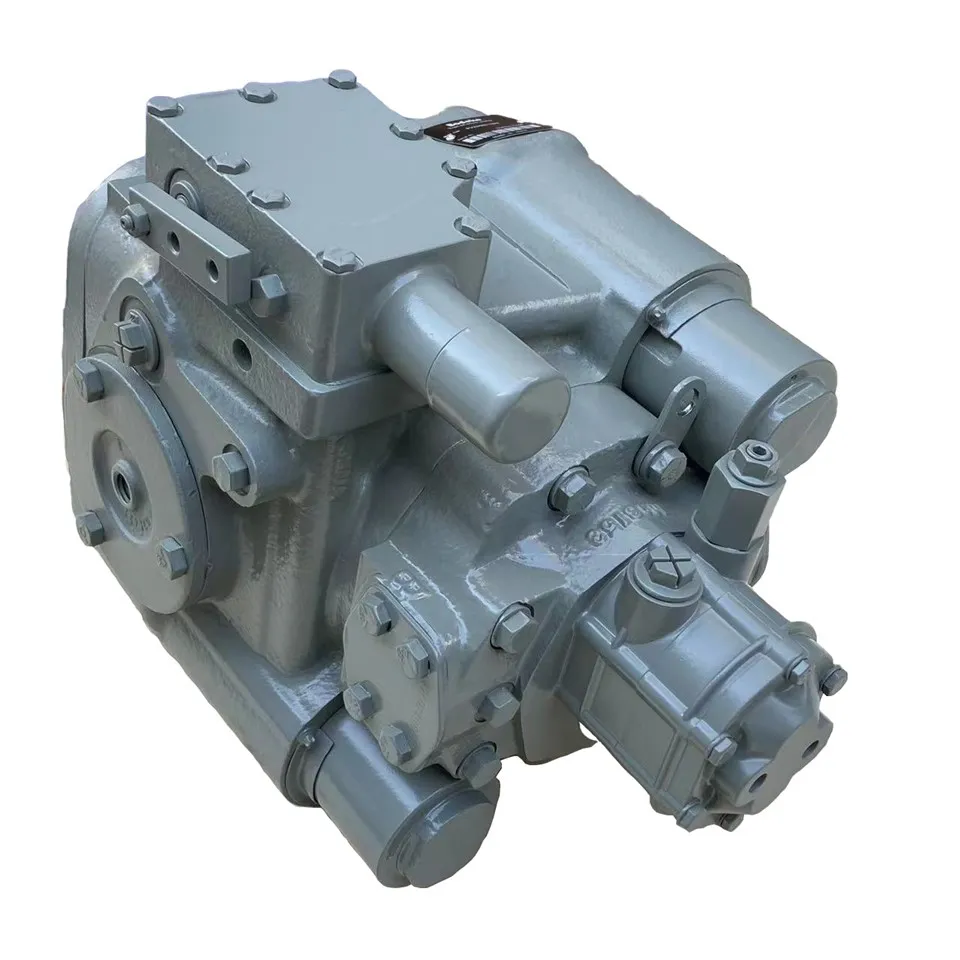

What is Axial Load Capacity?
Axial load capacity refers to the maximum amount of force that a hydraulic motor can withstand along its axis. In the context of a mixer truck, the hydraulic motor is responsible for driving the rotation of the mixing drum. As the drum rotates, it generates various forces, including axial forces, which act parallel to the motor's axis. The axial load capacity of the hydraulic motor determines its ability to handle these forces without experiencing excessive wear, damage, or failure.
Significance in Mixer Truck Applications
In mixer truck applications, the axial load capacity of the hydraulic motor plays a critical role in several aspects:
1. Drum Rotation
The hydraulic motor is directly connected to the mixing drum, and it must be able to withstand the axial forces generated during the rotation of the drum. These forces can vary depending on factors such as the drum's size, the amount of concrete being mixed, and the rotation speed. A hydraulic motor with insufficient axial load capacity may not be able to drive the drum smoothly, leading to uneven mixing and potential damage to the motor and other components.
2. Durability and Reliability
Mixer trucks operate in harsh environments and are subjected to heavy loads and frequent use. A hydraulic motor with a high axial load capacity is more likely to withstand the rigors of these conditions and provide long-term durability and reliability. This reduces the risk of breakdowns and downtime, which can be costly for mixer truck operators.
3. Performance Optimization
By selecting a hydraulic motor with an appropriate axial load capacity, mixer truck operators can optimize the performance of their vehicles. A motor that can handle the axial forces effectively will operate more efficiently, resulting in improved mixing quality, reduced energy consumption, and increased productivity.
Factors Influencing Axial Load Capacity
Several factors can influence the axial load capacity of a mixer truck hydraulic motor:
1. Motor Design
The design of the hydraulic motor plays a crucial role in determining its axial load capacity. Motors with robust internal components, such as high-quality bearings and shafts, are generally able to withstand higher axial loads. Additionally, the motor's housing and mounting structure must be designed to distribute the axial forces evenly and prevent stress concentrations.
2. Operating Conditions
The operating conditions of the mixer truck can also have a significant impact on the axial load capacity of the hydraulic motor. Factors such as the temperature, humidity, and the presence of contaminants in the environment can affect the performance and durability of the motor. For example, high temperatures can cause the motor's components to expand, reducing its axial load capacity. Similarly, the presence of dirt and debris can increase friction and wear, leading to premature failure of the motor.
3. Drum Configuration
The configuration of the mixing drum, including its size, shape, and the number of blades, can also influence the axial load on the hydraulic motor. Larger drums and drums with more blades typically generate higher axial forces, requiring a hydraulic motor with a higher axial load capacity. Additionally, the way the drum is loaded and unloaded can also affect the axial forces acting on the motor.
4. Maintenance and Lubrication
Proper maintenance and lubrication are essential for ensuring the optimal performance and longevity of the hydraulic motor. Regular maintenance, such as checking the motor's oil level and condition, inspecting the bearings and seals, and cleaning the motor's components, can help prevent premature wear and damage. Additionally, using the correct type and grade of lubricant can reduce friction and wear, improving the motor's axial load capacity.
Selecting the Right Hydraulic Motor
When selecting a hydraulic motor for a mixer truck, it is important to consider the axial load capacity in relation to the specific requirements of the application. Here are some key steps to follow:
1. Determine the Axial Load Requirements
The first step is to determine the axial load requirements of the mixer truck. This can be done by analyzing the drum's size, the amount of concrete being mixed, the rotation speed, and other operating conditions. Once the axial load requirements are known, you can select a hydraulic motor with an appropriate axial load capacity.
2. Consider the Motor's Specifications
In addition to the axial load capacity, it is also important to consider other specifications of the hydraulic motor, such as its displacement, speed, torque, and efficiency. These specifications will affect the motor's performance and compatibility with the mixer truck's hydraulic system.
3. Choose a Reputable Supplier
Selecting a reputable supplier is crucial for ensuring the quality and reliability of the hydraulic motor. Look for a supplier that has a proven track record in the industry, offers high-quality products, and provides excellent customer support. A good supplier will also be able to provide technical assistance and advice on selecting the right hydraulic motor for your specific application.
Related Products
As a mixer truck hydraulic motor supplier, we also offer a range of related products that can enhance the performance and reliability of your mixer truck. Here are some examples:
- Emergency Rescue Equipment Essential Jobsite Kit: Concrete Pump Truck Emergency Rescue Set: This kit includes essential emergency rescue equipment for concrete pump trucks, ensuring the safety of your operators in case of an emergency.
- P75R Mixer Truck Planetary Reducer for TOP: The P75R planetary reducer is designed to provide high torque and low speed transmission for mixer trucks, improving the efficiency and performance of the mixing process.
- PV23 Concrete Mixer Hydraulic Pump For Sauer: The PV23 hydraulic pump is a high-performance pump that is specifically designed for concrete mixer trucks. It provides reliable and efficient hydraulic power to drive the mixer truck's hydraulic system.
Contact Us for Procurement
If you are interested in purchasing a mixer truck hydraulic motor or any of our related products, please feel free to contact us. Our team of experts will be happy to assist you in selecting the right product for your specific application and provide you with a competitive quote. We are committed to providing high-quality products, excellent customer service, and technical support to ensure your satisfaction.
References
- "Hydraulic Motors: Principles, Operation, and Maintenance" by John Doe
- "Mixer Truck Design and Operation" by Jane Smith
- "Axial Load Capacity Analysis of Hydraulic Motors" by Tom Brown