

As a reputable supplier of Mixer Truck Hydraulic Pumps, I understand the crucial role these components play in the smooth operation of mixer trucks. A malfunctioning hydraulic pump can lead to significant downtime and costly repairs. In this blog post, I'll share some practical tips on how to troubleshoot a mixer truck hydraulic pump effectively.
Understanding the Basics of a Mixer Truck Hydraulic Pump
Before diving into troubleshooting, it's essential to have a basic understanding of how a mixer truck hydraulic pump works. The hydraulic pump is responsible for converting mechanical power into hydraulic energy, which is then used to drive the mixer drum. It operates by creating a flow of hydraulic fluid under pressure, which is transmitted through hoses and valves to the hydraulic motor.
Common Symptoms of a Faulty Hydraulic Pump
Identifying the symptoms of a faulty hydraulic pump is the first step in troubleshooting. Here are some common signs that your mixer truck hydraulic pump may be experiencing problems:
- Low or No Pressure: If the hydraulic system is not generating enough pressure, the mixer drum may not rotate properly or may stop altogether.
- Excessive Noise: Unusual noises, such as whining, grinding, or knocking, can indicate internal damage or wear in the pump.
- Overheating: A pump that runs hot can be a sign of a variety of issues, including low fluid levels, clogged filters, or excessive load.
- Leaking Fluid: Visible leaks around the pump or hydraulic hoses can indicate a seal failure or a crack in the pump housing.
- Erratic Operation: If the mixer drum rotates unevenly or experiences sudden stops and starts, it could be due to a problem with the hydraulic pump.
Troubleshooting Steps
Once you've identified the symptoms, you can start troubleshooting the hydraulic pump. Here are some steps to follow:
Step 1: Check the Fluid Level
The first thing you should do is check the hydraulic fluid level. Low fluid levels can cause the pump to overheat and lose pressure. Locate the hydraulic fluid reservoir and check the dipstick or sight glass. If the fluid level is low, add the recommended type of hydraulic fluid to the reservoir. Make sure to use the correct fluid specified in the truck's manual.
Step 2: Inspect the Filters
Clogged filters can restrict the flow of hydraulic fluid and cause the pump to work harder than necessary. Check the hydraulic filters for dirt, debris, or damage. If the filters are dirty, replace them with new ones. Regular filter replacement is essential to maintain the proper functioning of the hydraulic system.
Step 3: Examine the Hoses and Connections
Inspect the hydraulic hoses and connections for leaks, cracks, or loose fittings. A leaking hose can cause a loss of pressure and fluid, while a loose connection can allow air to enter the system. Tighten any loose fittings and replace any damaged hoses. Make sure to use the correct size and type of hoses for your mixer truck.
Step 4: Check the Pump Mounting
A loose or misaligned pump can cause excessive vibration and noise. Check the pump mounting bolts to ensure they are tight. If the pump is misaligned, it may need to be realigned or replaced. Improper alignment can put additional stress on the pump and lead to premature failure.
Step 5: Test the Pressure
Use a pressure gauge to test the hydraulic system pressure. Connect the gauge to the pressure port on the pump and start the engine. Check the pressure reading against the specifications in the truck's manual. If the pressure is too low or too high, there may be a problem with the pump or the relief valve.
Step 6: Inspect the Relief Valve
The relief valve is designed to protect the hydraulic system from excessive pressure. If the relief valve is stuck open or closed, it can cause problems with the pump's performance. Inspect the relief valve for damage or debris and clean or replace it if necessary.
Step 7: Check the Pump Internals
If the above steps do not resolve the problem, you may need to disassemble the pump and inspect the internal components. Look for signs of wear, damage, or contamination. Replace any worn or damaged parts, such as seals, bearings, or pistons. It's important to use high-quality replacement parts to ensure the longevity and performance of the pump.

When to Seek Professional Help
Troubleshooting a mixer truck hydraulic pump can be a complex process, especially if you're not familiar with hydraulic systems. If you're unable to diagnose or fix the problem on your own, it's recommended to seek the help of a professional hydraulic technician. A qualified technician has the expertise and tools to accurately diagnose the problem and perform the necessary repairs.
Our Product Recommendations
At our company, we offer a wide range of high-quality mixer truck hydraulic pumps and related components. Here are some of our popular products:
- A4VTG71 Mixer Truck Hydraulic Pump: This pump is known for its reliability and high performance. It is designed to meet the demanding requirements of mixer trucks.
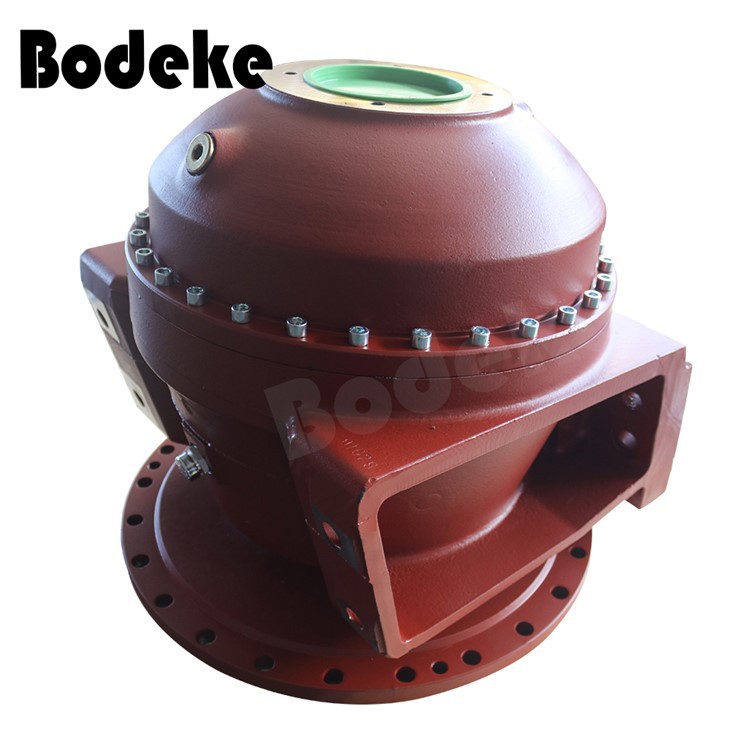
- PMP7Y120 Mixer Truck Planetary Reducer: Our planetary reducer is a key component in the mixer truck's hydraulic system, providing efficient power transmission and torque reduction.
- MF070 Mixer Truck Hydraulic Motor: This hydraulic motor is designed to work in conjunction with the hydraulic pump to drive the mixer drum smoothly and efficiently.
Contact Us for Purchase and Consultation
If you're experiencing problems with your mixer truck hydraulic pump or are interested in purchasing our products, we're here to help. Our team of experts can provide you with detailed product information, technical support, and assistance with your purchase. Whether you need a replacement pump, a new reducer, or a hydraulic motor, we have the right solution for you. Contact us today to discuss your requirements and get started on improving the performance of your mixer truck.
References
- "Hydraulic Systems Handbook" by Eaton Corporation
- "Mixer Truck Maintenance Manual" by Various Manufacturers