

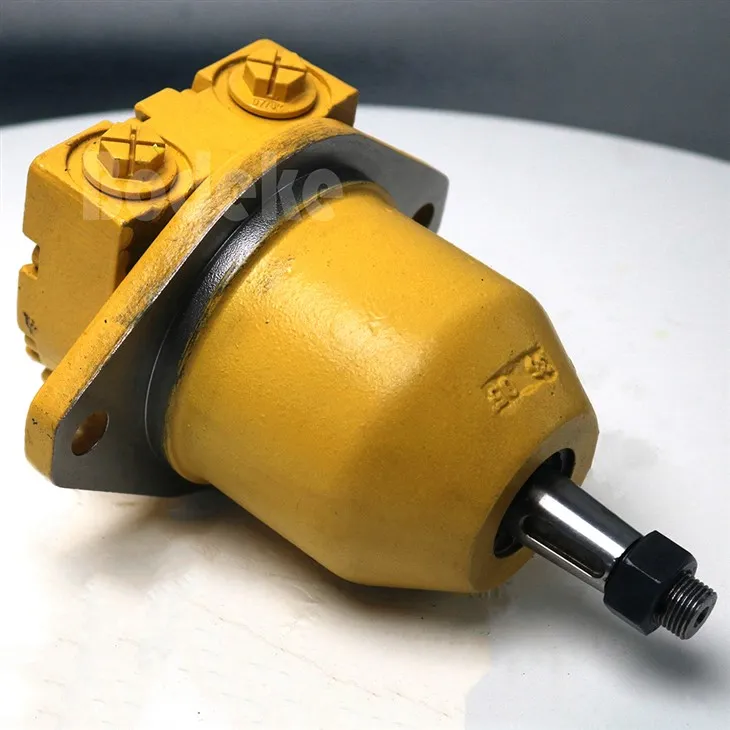
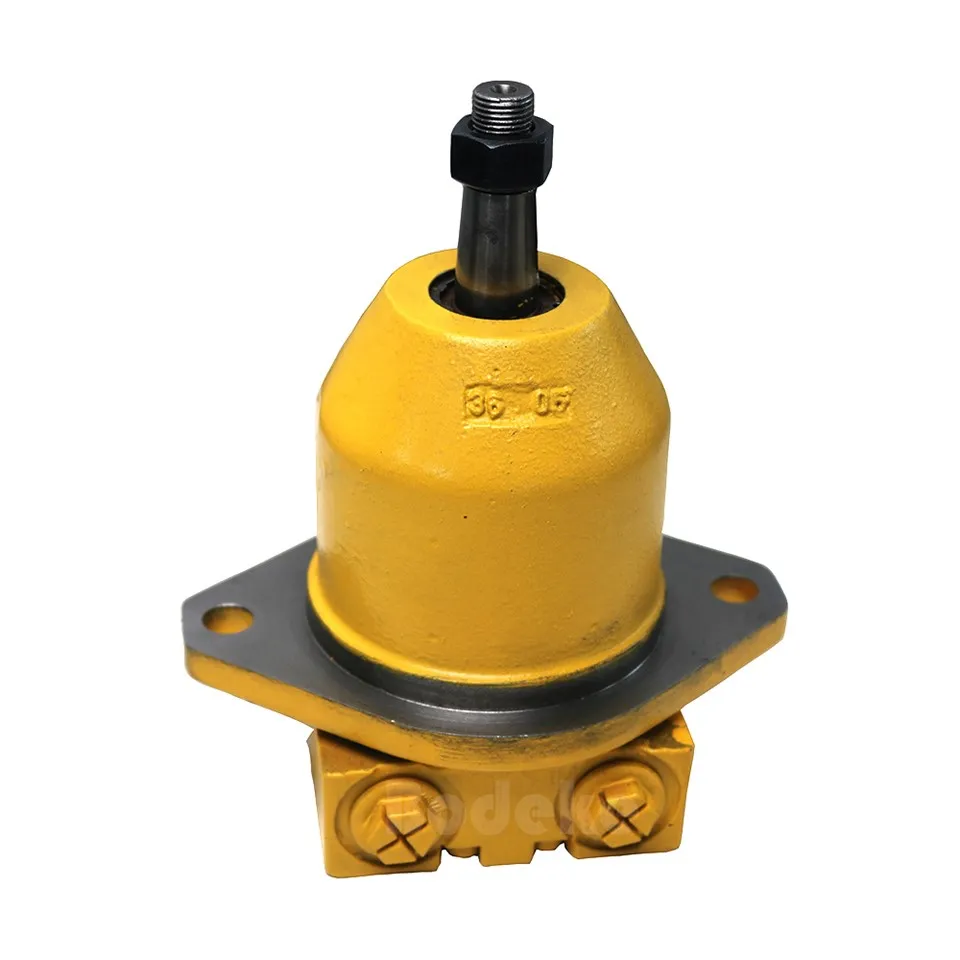
Installing the T90R100 Mixer Truck Hydraulic Pump is a task that requires careful planning, the right tools, and a solid understanding of the equipment. As a supplier of the T90R100 Mixer Truck Hydraulic Pump, I'm here to guide you through the installation process step by step.
Prerequisites
Before you start the installation, there are a few things you need to have in place. First, make sure you have all the necessary tools. This includes wrenches, sockets, a torque wrench, a seal puller, and a hydraulic fluid filter. You'll also need a clean workspace and safety equipment such as gloves and safety glasses.
It's important to have a detailed understanding of the T90R100 Mixer Truck Hydraulic Pump and the mixer truck itself. Familiarize yourself with the pump's specifications, including its flow rate, pressure rating, and mounting dimensions. Refer to the manufacturer's documentation for the mixer truck to understand the hydraulic system layout and the specific requirements for installing the pump.
Step 1: Preparation
Begin by draining the existing hydraulic fluid from the system. This will prevent contamination and ensure that the new pump operates smoothly. Place a suitable container under the drain plug and carefully remove the plug to let the fluid drain out. Make sure to dispose of the old fluid properly according to local regulations.
Next, clean the mounting surface on the mixer truck where the hydraulic pump will be installed. Use a degreaser and a clean cloth to remove any dirt, grease, or debris. A clean mounting surface is essential for a proper seal and to prevent leaks.
Step 2: Removing the Old Pump (if applicable)
If you're replacing an old hydraulic pump, you'll need to remove it first. Start by disconnecting the hydraulic hoses from the pump. Use a wrench to loosen the hose fittings and carefully remove the hoses. Be prepared for some fluid to spill, so have a rag handy to clean up any mess.
Once the hoses are disconnected, remove the mounting bolts that secure the pump to the mixer truck. Use a socket wrench to loosen and remove the bolts. Carefully lift the old pump off the mounting surface and set it aside.
Step 3: Installing the New Pump
Take the new T90R100 Mixer Truck Hydraulic Pump and place it on the mounting surface. Make sure it is properly aligned with the mounting holes. Insert the mounting bolts and hand-tighten them to hold the pump in place.
Use a torque wrench to tighten the mounting bolts to the manufacturer's specified torque. Over-tightening can damage the pump or the mounting surface, while under-tightening can lead to leaks and vibrations. Refer to the pump's installation manual for the correct torque values.
Step 4: Connecting the Hydraulic Hoses
Carefully connect the hydraulic hoses to the new pump. Make sure to match the hoses to the correct ports on the pump. Use a wrench to tighten the hose fittings, but be careful not to overtighten them. Overtightening can damage the fittings and cause leaks.
Check the hoses for any signs of damage or wear. If you notice any cracks, cuts, or bulges, replace the hoses before proceeding. It's also a good idea to inspect the hose clamps and make sure they are secure.
Step 5: Filling the Hydraulic System
Once the pump is installed and the hoses are connected, it's time to fill the hydraulic system with new fluid. Refer to the manufacturer's recommendations for the type and amount of hydraulic fluid to use. Use a funnel to pour the fluid into the reservoir slowly.
As you fill the system, monitor the fluid level in the reservoir. Stop filling when the fluid reaches the recommended level. It's important not to overfill the system, as this can cause problems with the pump and other components.
Step 6: Bleeding the System
After filling the hydraulic system, you need to bleed the air out of the system. Air in the system can cause cavitation, which can damage the pump and reduce its efficiency. To bleed the system, start the mixer truck's engine and let it idle.
Slowly operate the hydraulic controls to move the mixer drum or other hydraulic components. This will help to circulate the fluid and push the air out of the system. Keep an eye on the fluid level in the reservoir and add more fluid if necessary.
Continue operating the hydraulic controls until you no longer see any air bubbles in the fluid. This may take several minutes, depending on the size of the system. Once the air is bled out, turn off the engine and check the fluid level again.
Step 7: Testing the System
Start the mixer truck's engine again and let it idle. Operate the hydraulic controls to test the system. Check for any leaks around the pump, hoses, or fittings. If you notice any leaks, tighten the fittings or replace the seals as needed.
Monitor the pressure gauge on the hydraulic system to ensure that the pump is operating within the specified pressure range. If the pressure is too high or too low, there may be a problem with the pump or the system. Refer to the manufacturer's documentation for troubleshooting guidelines.
Troubleshooting Tips
If you encounter any problems during the installation or testing process, here are some common issues and solutions:
- Leaks: Check the hose fittings and seals for tightness. Replace any damaged seals or fittings.
- Low pressure: Check the fluid level in the reservoir and make sure the pump is properly primed. Inspect the hoses for blockages or restrictions.
- High pressure: Check the pressure relief valve to make sure it is set correctly. Inspect the pump for any signs of damage or wear.
- Noise or vibration: Check the mounting bolts to make sure the pump is securely fastened. Inspect the hoses for proper routing and support.
Related Products
In addition to the T90R100 Mixer Truck Hydraulic Pump, we also offer a range of related products that can enhance the performance and reliability of your mixer truck. For example, our High-Speed 6-Axis MIG Welding Robot - MIG-350/500 Portable Model can be used for welding and fabricating mixer truck components. Our Piston Hydraulic Motor For MF23 Mixer Trucks For Sauer is a high-quality replacement motor for MF23 mixer trucks. And our A2FM18/FLE10 Motor For Excavator spare parts can be used for a variety of applications, including mixer trucks.
Conclusion
Installing the T90R100 Mixer Truck Hydraulic Pump requires careful attention to detail and following the proper procedures. By following the steps outlined in this guide, you can ensure a successful installation and a reliable hydraulic system for your mixer truck.
If you have any questions or need further assistance with the installation process, or if you're interested in purchasing the T90R100 Mixer Truck Hydraulic Pump or any of our other products, please don't hesitate to contact us. We're here to help you find the right solutions for your mixer truck needs.
References
- Manufacturer's documentation for the T90R100 Mixer Truck Hydraulic Pump
- Manufacturer's documentation for the mixer truck
- Hydraulic system installation and maintenance guides