

Hey there! I'm a supplier of the Mixer Truck Hydraulic Pump 4623. Today, I wanna share with you how to test the pressure of this awesome pump.
First off, let's understand why testing the pressure of the Mixer Truck Hydraulic Pump 4623 is so important. This pump is a crucial part of the mixer truck. It's responsible for powering the hydraulic system that makes the drum rotate, which is essential for mixing and transporting concrete. If the pressure is off, it can lead to all sorts of problems, like the drum not rotating properly, reduced efficiency, and even potential damage to the whole system.
So, how do we start the pressure - testing process? Well, before we do anything, safety first! Make sure the mixer truck is parked on a flat and stable surface. Turn off the engine and let the hydraulic system cool down. You don't want to get burned by hot hydraulic fluid.
The first thing you'll need is a pressure gauge. A good quality pressure gauge is key to getting accurate readings. Connect the pressure gauge to the test port on the Mixer Truck Hydraulic Pump 4623. The test port is usually clearly marked on the pump. It's important to make sure the connection is tight to avoid any leaks. If there are leaks, the pressure readings will be inaccurate.
Once the pressure gauge is connected, start the engine of the mixer truck. But don't just rev it up right away. Let the engine idle for a few minutes to warm up the hydraulic fluid. Cold fluid can affect the pressure readings. After a few minutes, gradually increase the engine speed. As you do this, keep an eye on the pressure gauge.
The normal operating pressure range of the Mixer Truck Hydraulic Pump 4623 can vary depending on the specific model and the requirements of the mixer truck. Generally, you can refer to the manufacturer's manual to find out the exact range. If the pressure reading on the gauge is within this range, then the pump is likely working fine.
However, if the pressure is too low, it could mean a few things. Maybe there's a leak in the hydraulic system. Check all the hoses and connections for any signs of fluid leakage. A worn - out pump can also cause low pressure. Over time, the internal components of the pump can wear down, reducing its ability to generate pressure.
On the other hand, if the pressure is too high, it's also a problem. High pressure can put excessive stress on the hydraulic system, leading to component failure. It could be due to a blocked filter, a malfunctioning pressure relief valve, or an issue with the control system.
Let me tell you about some of the other great products we offer. We also have the PSVS90A Mixer Truck Hydraulic Pump. This pump is known for its high efficiency and reliability. It's a great alternative if you're looking for something different from the Mixer Truck Hydraulic Pump 4623.
And for those of you in the excavator business, we have the Revo 480/Revo 550 Fan Motor For Excavator. This fan motor helps keep the excavator's engine cool, which is super important for its performance and longevity.
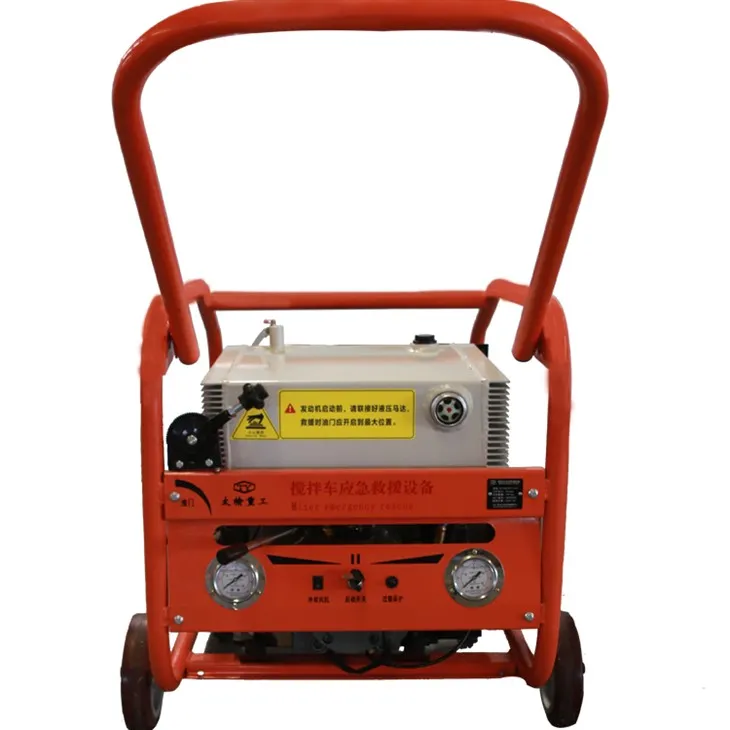
Another product worth mentioning is the Rescue Equipment - 315. It's a must - have for mixer trucks in case of emergencies.
Now, if you're interested in any of our products, including the Mixer Truck Hydraulic Pump 4623, and want to learn more or discuss a purchase, don't hesitate to reach out. We're here to help you get the best parts for your vehicles. Whether you're a small construction company or a large fleet operator, we can offer you great deals and top - notch customer service.
In conclusion, testing the pressure of the Mixer Truck Hydraulic Pump 4623 is a relatively straightforward process, but it's crucial for the proper functioning of your mixer truck. By following these steps and keeping an eye on the pressure readings, you can ensure that your pump is working at its best.

References:
- Manufacturer's manual of Mixer Truck Hydraulic Pump 4623
- Industry knowledge and experience in hydraulic systems