

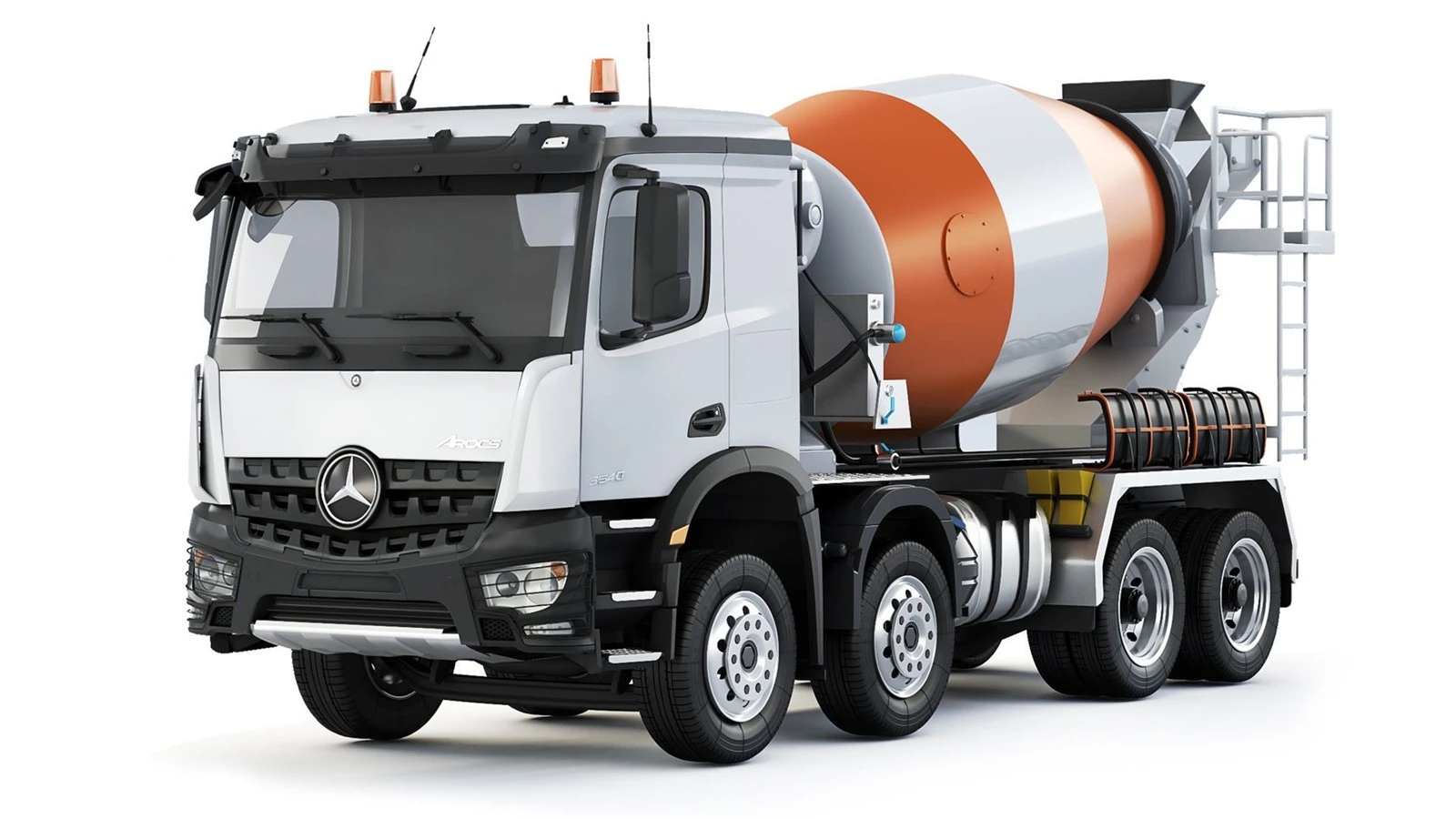
The surge in the global truck-mounted concrete mixer market can be attributed to the expanding construction sector and rising investments in infrastructure development projects worldwide.
BlueWeave Consulting, a prominent strategic consulting and market research firm, conducted a recent study estimating the global truck-mounted concrete mixer market size to be USD 7.05 billion in 2022. Over the forecast period from 2023 to 2029, BlueWeave anticipates a CAGR of 5.26%, projecting the market size to reach USD 10.09 billion by 2029. The substantial growth is attributed to the expanding construction sector, especially in emerging economies like India and China, along with the increased integration of advanced technologies such as sensors into trucks, serving as significant drivers for the global truck-mounted concrete mixer market.
Navigating the Global Landscape: Insights into the Truck-Mounted Concrete Mixer Market
A concrete mixer truck is equipped with a rotating drum at the rear, blending essential components of concrete, including cement (a complex mineral mixture), water, and gravel (or stone). Primarily, these trucks transport concrete from the manufacturing facility to the construction site. The concrete may be pre-mixed at the plant or mixed on the truck, depending on the specific project requirements. Ready-mix concrete trucks serve as either cement agitators or mixers, depending on the type of concrete being delivered. Through the spinning motion, these trucks ensure the consistent mixing of concrete components in the drum, maintaining the desired composition.
Analyzing the Dynamics of the Worldwide Truck-Mounted Concrete Mixer Market– By Drum Capacity
The global truck-mounted concrete mixer market is classified based on drum capacity, with segmentation into less than 6 m³, 6–10 m³, 10–15 m³, 15–20 m³, and above 20 m³. The 6–10 m³ drum capacity segment holds a significant market share, driven by the robust performance and efficiency of these truck-mounted concrete mixers in handling larger-scale projects. These mixers meet the concrete demands of substantial commercial, residential, and infrastructure undertakings, such as buildings, homes, and apartments, typically serviced by ready-mix trucks.